Massachusetts General Hospital, Harvard Medical School, Massachusetts, USA
Clinical genetics; Mitochondrial medicine; Lysosomal storage disorders; Clinical trials; Rare-disease care
San Francisco University of Quito (USFQ), Ecuador
Mitochondrial biology; Mitochondrial transplantation; Extracellular mitochondria; Regenerative medicine; Space biomedicine
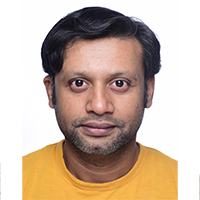
University Hospital Düsseldorf, Düsseldorf, Germany
Cristae remodeling; Mitochondrial dynamics; Nanoscopy; Live-cell imaging; Mitochondrial metabolism
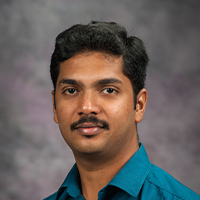
Vellore Institute of Technology, Vellore, India
Mitochondrial transplantation; Extracellular vesicles; Precision medicine; Bioengineering; Neurotherapeutics

Postgraduate Institute of Medical Education and Research, Chandigarh

The POLG Foundation, New York, USA
Rare-disease therapeutics; Gene therapy; CRISPR editing; Pediatric neurology; Neuromuscular medicine
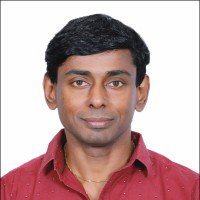
Institute For Stem Cell Science and Regenerative Medicine, Bengaluru, India
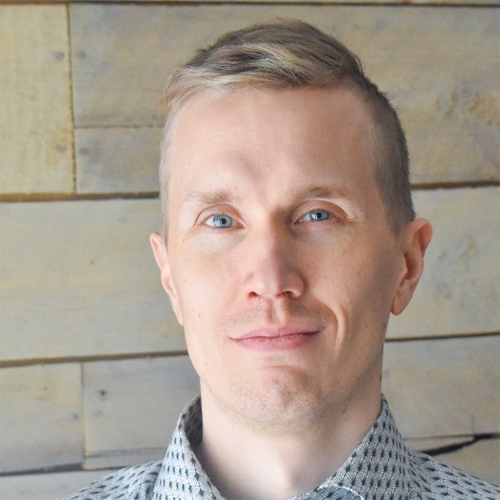
University of Helsinki, Helsinki, Finland
Gene discovery; Motor neuron disease; CHCHD10; iPSC disease models; Multi-omics
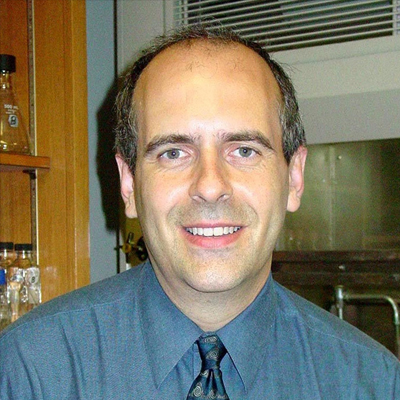
Baylor College of Medicine and Texas Children's Hospital, Texas, USA
Mitochondrial medicine; Inherited metabolic disorders; Clinical trials; Biomarkers; Rare-disease care
National Institute of Mental Health and Neurosciences, Bengaluru, India

Indian institute of Technology, Delhi, India
Functional genomics; Omics technologies; Big-data biology; Evolutionary genomics; Disease genomics
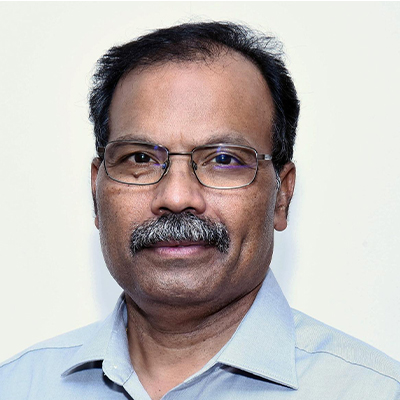
CSIR-Centre for Cellular & Molecular Biology, Hyderabad, India
Ashoka University, Sonepat, Haryana, India
Mitochondrial cell biology; Stem-cell states; Quantitative microscopy; Genomics; Aging biology
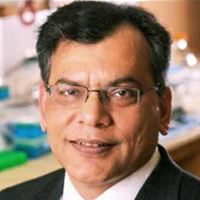
The University of Alabama, Alabama, USA
Mitochondrial genetics; Cancer genetics; Epigenetics; Nuclear genome instability; Health disparities
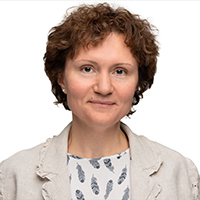
Univerisity of Helsinki, Helsinki, Finland
Redox biochemistry; Translational metabolomics; NAD metabolism; Biomarker assays; Metabolic diagnostics
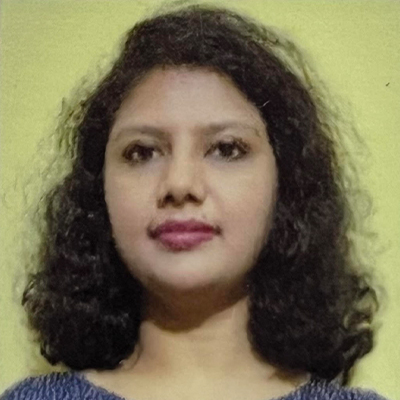
National Institute of Mental Health and Neurosciences, Bengaluru, india
Hereditary neuropathies; Mitochondrial disorders; Myasthenia gravis; Neurogenetics; Blood biomarkers
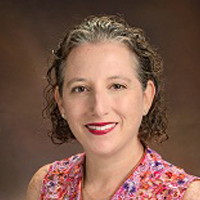
The Children's Hospital of Philadelphia, Philadelphia, USA
Primary mitochondrial disease; Therapeutic development; Metabolomics; Clinical trials; Precision medicine
University of Nottingham, Nottingham, UK
Cognitive neuroscience; Psychosis; Human behavior; Neurobiology; Biochemical psychiatry
Univerisity of Helsinki, Helsinki, Finland
Mitochondrial myopathy; Spatial multi-omics; Oxygen sensing; Iron metabolism; Integrated stress response
National Institute of Mental Health and Neurosciences, Bengaluru, India
Neuromuscular pathology; Neuromuscular genetics
University of Hyderabad, Hyderabad, India
Organelle biology; Redox homeostasis; Mitochondrial signaling; Protein import; Metabolic disease
St. Jude Children's Research Hospital, Memphis, USA
National Institute of Mental Health and Neurosciences, Bengaluru, India

Jawaharlal Nehru University, New Delhi, India; Gautam Buddha University, Greater Noida, India
Jawaharlal Nehru Centre for Advanced Scientific Research, Bengaluru, India
Autophagy; Neurodegeneration; Intracellular infection; Small-molecule therapeutics; Genetic screens

Delhi Pharmaceutical Sciences and Research University, New Delhi, India
Translational pharmacology; Pharmacotherapeutics; Multi-omics; Proteomics; Biomarker discovery
Children's Hospital of Philadelphia, Philadelphia, USA
Mitochondrial diagnostics; Genetic metabolic disease; Complex V disorders; Disease gene discovery; Prognosis
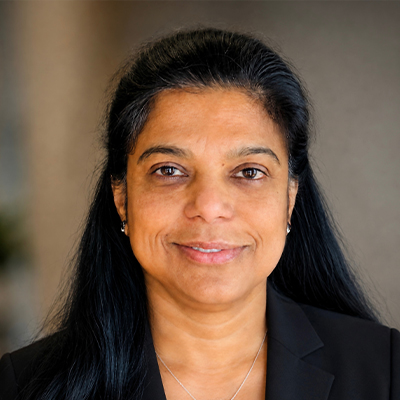
University of Minnesota, Minnesota, USA
Rare neurological disease; Inherited metabolic disease; Organelle crosstalk; Oxidative stress; Therapeutic biomarkers
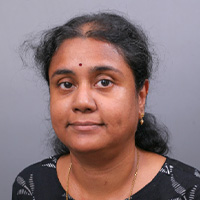
Christian Medical College, Vellore, India
Pediatric neurology; Neurometabolic disorders; Mitochondrial disorders; Genotype-phenotype correlation; Clinical diagnosis
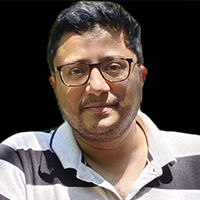
Manipal Academy of Higher Education, Manipal, India
Nuclear-mitochondrial crosstalk; Genome stability; DNA damage response; Cancer biology; Neurodegeneration

Nizam's Institute of Medical Sciences, Hyderabad, India
Pediatric neurology; Movement disorders
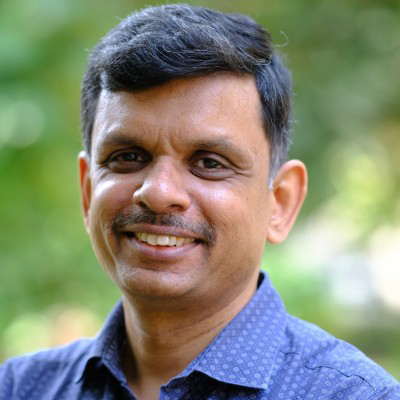
BRIC-Centre for DNA Fingerprinting and Diagnostics, Hyderabad, India
Metabolism; Mitochondrial energetics; Epigenetics; Aging; Molecular physiology
Indira Gandhi Institute of Child Health, Bengaluru, India
Neurometabolic disorders; Mitochondrial disorders
Changhua Christian Hospital, Changhua, Taiwan
Mitochondrial genetics; Mitochondria-nucleus crosstalk; mtDNA mutations; Oxidative stress; Aging biology
Massachusetts General Hospital/Harvard Medical School, Massachusetts, USA
Clinical genetics; Mitochondrial medicine; Lysosomal storage disorders; Clinical trials; Rare-disease care
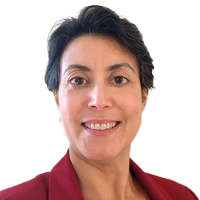
Dr. Amel Karaa is an internist and clinical geneticist who directs the Mitochondrial Disease Program at Massachusetts General Hospital/Harvard Medical School. She leads clinical care, research, and trials for mitochondrial disease. Her leadership roles include past president of the Mitochondrial Medicine Society and chair-level positions with the United Mitochondrial Disease Foundation and International Mito Patient Group. She co-founded the Mitochondrial Care Network and TREAT MITO, advancing coordinated specialist care and clinical-trial research for primary mitochondrial diseases.
San Francisco University of Quito, Quito, Ecuador
Mitochondrial biology; Mitochondrial transplantation; Extracellular mitochondria; Regenerative medicine; Space biomedicine
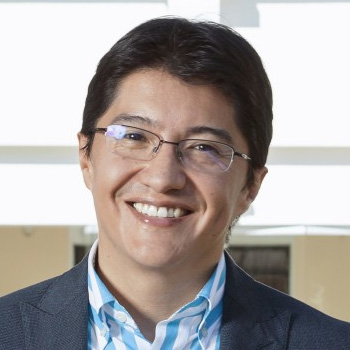
Dr. Andrés Caicedo studies mitochondrial biology, with emphasis on extracellular mitochondria, mitochondrial transfer and transplantation, tissue repair, aging, environmental stress, and regenerative therapies. He developed MitoCeption, an artificial mitochondrial-transplantation strategy. His work connects mitochondrial science with translational regenerative medicine and space biomedicine. He serves as Regional Vice-President for South and Central America at the International Society for Cell & Gene Therapy and has received recognition including the 2023 ISCT Trailblazer Award for Emerging Markets.
University Hospital Düsseldorf, Düsseldorf, Germany
Cristae remodeling; Mitochondrial dynamics; Nanoscopy; Live-cell imaging; Mitochondrial metabolism
Dr. Arun Kondadi investigates how dynamic remodeling of mitochondrial cristae membranes shapes metabolism, signaling, and cellular adaptation. His research examines how altered cristae architecture rewires mitochondrial function and contributes to metabolic transitions, cellular dysfunction, and disease. His laboratory integrates live-cell microscopy, super-resolution imaging, quantitative image analysis, and metabolic approaches to study mitochondrial behavior in living systems.
Vellore Institute of Technology, Vellore, India
Mitochondrial transplantation; Extracellular vesicles; Precision medicine; Bioengineering; Neurotherapeutics
Dr. Arunkumar Pitchaimani works at the interface of precision medicine and bioengineering. His research focuses on extracellular vesicles and programmable vesicle-mediated mitochondrial delivery for transplantation-based biomedical applications. He is particularly interested in deploying these approaches across neurological indications, including Alzheimer’s disease, and other translational settings.
Postgraduate Institute of Medical Education and Research, Chandigarh
Maastricht University, Maastricht, The Netherlands
Clinical genomics; Mitochondrial disease; mtDNA genetics; Disease modeling; Stem-cell therapy
Prof. Bert Smeets investigates mitochondrial disease using next-generation sequencing to identify mtDNA and nuclear-gene defects. His work spans disease pathophysiology, the mtDNA bottleneck, and patient-derived 3D muscle models, supported by cell-line and zebrafish studies. He develops diagnostic and preventive strategies, including prenatal and preimplantation genetic testing and preconception exome screening. His current translational focus is a mutation-free muscle stem-cell strategy for mtDNA-related myopathy, which is being evaluated in a phase II trial.
The POLG Foundation, New York, USA
Rare-disease therapeutics; Gene therapy; CRISPR editing; Pediatric neurology; Neuromuscular medicine
Dr. Brian Tseng is a board-certified MD/PhD pediatric neurologist and neuromuscular physician-scientist. He is CEO of The POLG Foundation, a global rare-disease research and advocacy organization. His therapeutic expertise spans small molecules, biologics, cell therapies, AAV gene replacement, and CRISPR-based gene editing for rare genetic disease. He also teaches at medical schools, serves on nonprofit and patient-advocacy boards, and contributes to wilderness and search-and-rescue medicine.
Institute For Stem Cell Science and Regenerative Medicine, Bengaluru, India
University of Helsinki, Helsinki, Finland
Gene discovery; Motor neuron disease; CHCHD10; iPSC disease models; Multi-omics
Dr. Emil Ylikallio combines clinical gene discovery with mechanistic disease modeling in motor neuron diseases, including ALS, Charcot-Marie-Tooth disease, and spinal muscular atrophy Jokela type. He leads the Rare Neurological Diseases Programme at HUS. His work has helped define the clinical and molecular spectrum of CHCHD10-associated disease through patient-derived iPSC motor neurons, serum biomarkers, and multi-omics analysis. His research identifies altered creatine metabolism, redox imbalance, and dose-dependent CHCHD10 dysregulation as contributors to SMAJ pathogenesis.
Baylor College of Medicine and Texas Children's Hospital, Texas, USA
Mitochondrial medicine; Inherited metabolic disorders; Clinical trials; Biomarkers; Rare-disease care
Dr. Fernando Scaglia is a clinician-researcher in mitochondrial medicine and inherited metabolic disorders. He has advanced the field through clinical research, therapeutic trials, and biomarker discovery. As a member of the United Mitochondrial Disease Foundation Scientific and Medical Advisory Board, he contributes to research advancement, improved clinical care, and efforts to accelerate effective therapies for mitochondrial disease.
National Institute of Mental Health and Neurosciences, Bengaluru, India
Indian institute of Technology, Delhi, India
Functional genomics; Omics technologies; Big-data biology; Evolutionary genomics; Disease genomics
Dr. Ishaan Gupta develops and applies high-resolution, high-precision, high-throughput omics technologies to measure biological phenomena. His group uses big-data algorithms to interpret complex biological datasets in the contexts of evolution and disease. The research program centers on uncovering the functional potential of genomes through integrated experimental and computational approaches.
CSIR-Centre for Cellular & Molecular Biology, Hyderabad, India
Ashoka University, Sonepat, Haryana, India
Mitochondrial cell biology; Stem-cell states; Quantitative microscopy; Genomics; Aging biology
Dr. Kasturi Mitra studies how dynamic mitochondrial functions influence cell-state determination. Her laboratory combines quantitative microscopy, genomics, and novel method development in human cells, tissues, and Drosophila models. A current focus is the mitochondrial-primed stem-cell state, a higher-potency cellular state. Her translational interests include healthy aging and age-related conditions such as cancer and neurodegenerative disease.
The University of Alabama, Alabama, USA
Mitochondrial genetics; Cancer genetics; Epigenetics; Nuclear genome instability; Health disparities
Dr. Keshav K. Singh is the Joy and Bill Harbert Endowed Chair and Director of Cancer Genetics at the University of Alabama at Birmingham. His work examines mitochondrial roles in health, disease, diversity, and health disparities. His laboratory pioneered evidence that mitochondria regulate nuclear-genome epigenetics and contribute to nuclear-genome instability. His expertise includes mitochondrial genetics, numtogenesis, cancer genetics, and cancer health disparities. He is the founding Editor-in-Chief of the journal Mitochondrion.
Univerisity of Helsinki, Helsinki, Finland
Redox biochemistry; Translational metabolomics; NAD metabolism; Biomarker assays; Metabolic diagnostics
Dr. Liliya Euro is a metabolism researcher and assay developer specializing in redox biochemistry and translational metabolomics. She invented NADMED, a high-throughput redox-profiling method that quantifies NAD+, NADH, NADP+, NADPH, and glutathione from a single blood or tissue sample using standard laboratory equipment. As CSO of NADMED Biotech, she leads development of analytical tools for NAD-driven metabolism and their integration with clinical research and regulatory requirements.
National Institute of Mental Health and Neurosciences, Bengaluru, india
Hereditary neuropathies; Mitochondrial disorders; Myasthenia gravis; Neurogenetics; Blood biomarkers
Dr. Madhu is a neurologist with clinical interest in hereditary neuropathies, mitochondrial disorders, and myasthenia gravis. Her research investigates mitochondrial dysfunction in neurogenetic disorders, particularly inherited peripheral neuropathies. She is also involved in identifying blood-based biomarkers for mitochondrial disorders, linking clinical neurology with translational diagnostic research.
The Children's Hospital of Philadelphia, Philadelphia, USA
Primary mitochondrial disease; Therapeutic development; Metabolomics; Clinical trials; Precision medicine
Dr. Marni J. Falk leads translational research on the causes and systemic metabolic consequences of mitochondrial disease. Her group develops targeted therapeutics and diagnostic nanosensors using C. elegans, zebrafish, mouse, and human cell models of respiratory-chain dysfunction. She co-founded CHOP’s Mitochondria-Cancer Connections program to study mitochondrial disease and osteosarcoma using multi-omics and metabolic approaches. She also leads clinical research and treatment trials, co-founded Rarefy Therapeutics, and founded the Therapeutic Lighthouse Research Institute to advance treatments for currently uncured diseases.
University of Nottingham, Nottingham, UK
Cognitive neuroscience; Psychosis; Human behavior; Neurobiology; Biochemical psychiatry
Dr. Mohammad Zia Ul Haq Katshu studies human brain function and behavior, with particular interest in cognition and psychosis. His research uses behavioral, cognitive, biochemical, and neurobiological paradigms to understand the mechanisms underlying these complex neuropsychiatric phenomena.
Univerisity of Helsinki, Helsinki, Finland
Mitochondrial myopathy; Spatial multi-omics; Oxygen sensing; Iron metabolism; Integrated stress response
Dr. Nahid Khan studies mitochondrial-disorder pathophysiology and therapeutic strategies. Her laboratory investigates pseudohypoxic niches—spatially restricted domains of oxygen-sensing failure—as a unifying mechanism in mitochondrial myopathy, normal aging, and iron deficiency. Using spatial multi-omics, single-nucleus RNA sequencing, pharmacological studies, and mouse models, her group shows that pathology is spatially organized, with oxygen-sensing failure, iron stress, and integrated stress-response signaling co-localizing within muscle-fiber microdomains.
National Institute of Mental Health and Neurosciences, Bengaluru, India
Neuromuscular pathology; Neuromuscular genetics
University of Hyderabad, Hyderabad, India
Organelle biology; Redox homeostasis; Mitochondrial signaling; Protein import; Metabolic disease
Prof. Naresh V. Sepuri investigates organelle biology and redox homeostasis, connecting yeast genetics with human disease. His research identifies mechanisms by which mitochondrial reactive oxygen species mediate retrograde signaling. He has characterized mitochondrial subpopulations associated with lipid droplets, with relevance to non-alcoholic fatty liver disease. His laboratory also studies mitochondrial protein import and integrated stress-response pathways that preserve cellular homeostasis.
St. Jude Children's Research Hospital, Memphis, USA
National Institute of Mental Health and Neurosciences, Bengaluru, India
Jawaharlal Nehru University, New Delhi, India; Gautam Buddha University, Greater Noida, India
Jawaharlal Nehru Centre for Advanced Scientific Research, Bengaluru, India
Autophagy; Neurodegeneration; Intracellular infection; Small-molecule therapeutics; Genetic screens
Dr. Ravi Manjithaya studies autophagy and related pathways in health and disease. His laboratory uses models of intracellular infection, neurodegeneration, and pancreatic cancer to define mechanisms regulating autophagy and assess therapeutic modulation of autophagic flux. The group has identified drug-like small molecules that modulate autophagy in neurodegeneration and infection, and uses genetic screens to uncover additional functions of multimolecular complexes. Current work examines how non-synonymous SNPs influence autophagy.
Delhi Pharmaceutical Sciences and Research University, New Delhi, India
Translational pharmacology; Pharmacotherapeutics; Multi-omics; Proteomics; Biomarker discovery
Dr. Ravichandiran V. specializes in translational pharmacology and pharmacotherapeutics. His research identifies therapeutic strategies and validates drug targets using molecular and cellular approaches. His expertise also includes multi-omics, proteomics, systems biology, biomarker discovery, molecular profiling, and pathway-based assessment of therapeutic interventions.
Children's Hospital of Philadelphia, Philadelphia, USA
Mitochondrial diagnostics; Genetic metabolic disease; Complex V disorders; Disease gene discovery; Prognosis
Dr. Rebecca Ganetzky develops diagnostic approaches for inherited mitochondrial disease and genetic metabolic disorders. She has contributed to the discovery and characterization of several mitochondrial genetic conditions, with a particular focus on mitochondrial complex V. Her work includes the description of disorders associated with ATP5MK, ATP5PO, and ATP5F1A, supporting improved diagnosis and prognostication.
University of Minnesota, Minnesota, USA
Rare neurological disease; Inherited metabolic disease; Organelle crosstalk; Oxidative stress; Therapeutic biomarkers
Dr. Reena Kartha studies organellar crosstalk, oxidative stress, and mitochondrial dysfunction in rare genetic disorders, including X-linked adrenoleukodystrophy and lysosomal storage diseases. Her laboratory uses patient-derived cells, animal models, and clinical samples to evaluate therapeutic strategies. These include drug repurposing, metabolism-based interventions, biomarker development, and investigation of nervonic acid as a potential therapy for X-linked adrenoleukodystrophy.
Christian Medical College, Vellore, India
Pediatric neurology; Neurometabolic disorders; Mitochondrial disorders; Genotype-phenotype correlation; Clinical diagnosis
Dr. Sangeetha Yoganathan is Professor and Head of Pediatric Neurology at Christian Medical College, Vellore. Following clinical fellowship training in neurometabolics at The Hospital for Sick Children, University of Toronto, she has focused on diagnosing and managing complex pediatric neurological and metabolic disorders. Her work integrates clinical phenotyping with biochemical, genetic, neuroimaging, and other investigations. She has particular interest in the clinical spectrum, diagnostic challenges, and genotype-phenotype correlations of mitochondrial disorders.
Manipal Academy of Higher Education, Manipal, India
Nuclear-mitochondrial crosstalk; Genome stability; DNA damage response; Cancer biology; Neurodegeneration
Dr. Sanjiban Chakrabarty studies nuclear-mitochondrial crosstalk and its role in genome stability. His research examines how this communication regulates the DNA-damage response in cancer and neurodegeneration, connecting mitochondrial signaling with mechanisms of genomic maintenance and disease.
Nizam's Institute of Medical Sciences, Hyderabad, India
Pediatric neurology; Movement disorders
BRIC-Centre for DNA Fingerprinting and Diagnostics, Hyderabad, India
Metabolism; Mitochondrial energetics; Epigenetics; Aging; Molecular physiology
Dr. Ullas Kolthur-Seetharam studies mechanisms that govern organismal physiology and survival. His work investigates how mitochondrial energetics, nuclear-mitochondrial communication, epigenetic regulation, and circadian metabolic cycles shape physiological transitions such as fasting and feeding. His laboratory uses multi-scale systems approaches across models from Drosophila to mammals to define how metabolic inputs regulate cellular and organismal physiology.
Indira Gandhi Institute of Child Health, Bengaluru, India
Neurometabolic disorders; Mitochondrial disorders
Changhua Christian Hospital, Changhua, Taiwan
Mitochondrial genetics; Mitochondria-nucleus crosstalk; mtDNA mutations; Oxidative stress; Aging biology
Dr. Yau-Huei Wei studies the molecular genetics and cell biology of mitochondrial disease, including communication between mitochondria and the nucleus and metabolic shifts during stem-cell differentiation. His research provided early evidence that declining mitochondrial function and accumulated mtDNA mutations contribute to human aging. He also demonstrated how mtDNA mutations, oxidative stress, oxidative damage, and metabolic reprogramming contribute to mitochondrial-disease pathophysiology, including MERRF syndrome.